Apple Pay is one of the fastest and most secure ways for customers to check out online. By integrating Apple Pay with your CartGenie store, shoppers using Safari on iPhone, iPad, or Mac can complete their purchase in just a few taps—no need to manually enter card details or billing information.
This guide will walk you through enabling Apple Pay in your CartGenie checkout, ensuring your store meets Apple’s requirements, and testing the setup so you can start offering a seamless checkout experience to your customers.
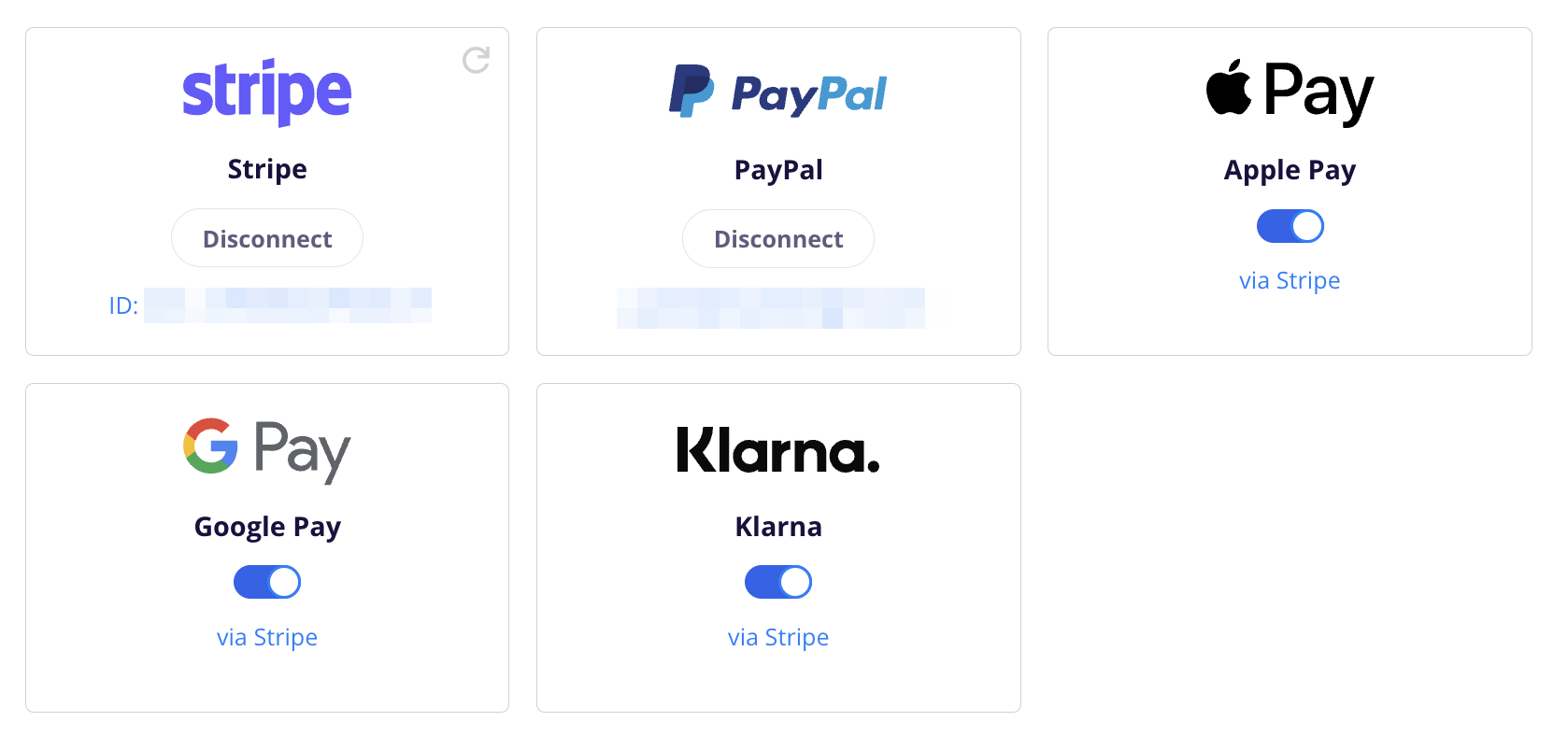
To add Apple Pay, simply connect your CartGenie store to Stripe in Settings > Payment Gateways.
Connect Stripe
In CartGenie Payment Gateways page, be sure that the toggle for Apple Pay is enabled.

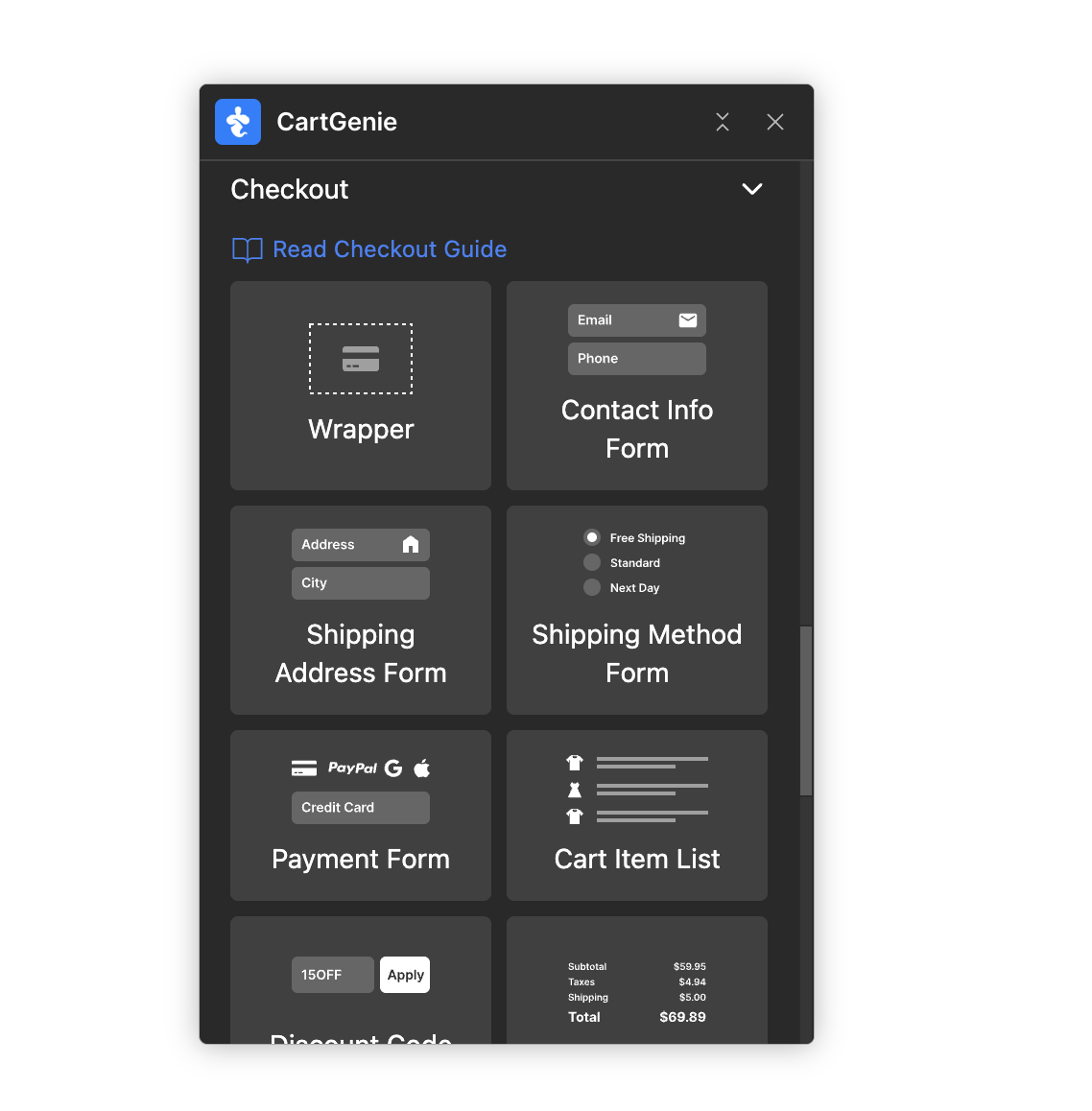
Then in Webflow, ensure that your checkout page has the necessary Apple Pay payment tab option. If not, you can use our Designer Extension to simply add the “Payment Form” block to your checkout page (found in Create Product Pages > Components > Checkout).
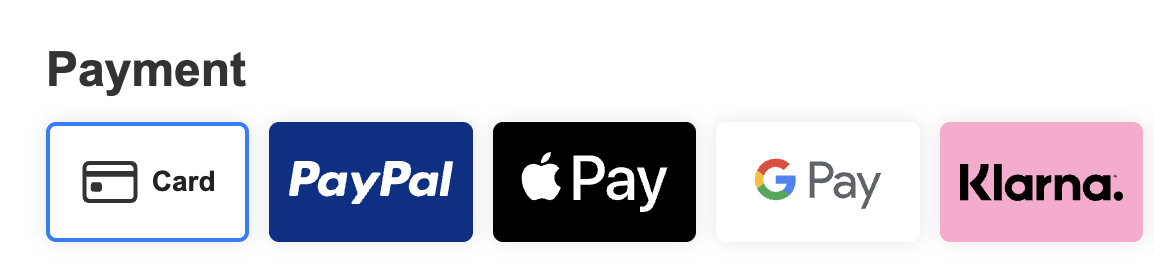
Publish your site and you should see ApplePay as an option if using an Apple device.
There are a few reasons why you may not be seeing Apple Pay at checkout on your site. Here is a list of steps to try to see if it resolves the issues.
CartGenie’s test order mode only works with credit cards and so all other payment methods are hidden at checkout. Turn off test order mode in Payment Gateway settings to test a live Klarna payment.

Apple Pay on the web generally requires Safari on a compatible Apple device.
For example, Apple Pay may show on:
Safari on iPhone
Safari on iPad
Safari on Mac
Safari on Mac with a nearby Apple Pay-capable iPhone or Apple Watch
If you are using Chrome, Firefox, Edge, Android, or a Windows PC, Apple Pay usually will not appear.
So even if you are on a MacBook, Apple Pay may not show if you are testing in Chrome instead of Safari.
The customer must have Apple Pay set up with a valid card in their Apple Wallet.
If there is no eligible credit or debit card added to Apple Wallet, Apple Pay may not appear as an option at checkout.
CartGenie should enable Apple Pay automatically when you connect your Stripe account, but you can double-check in Stripe.
Go to:
Stripe Dashboard > Settings > Payment methods
Then click Default: CartGenie configuration and look for Apple Pay in the list.
Make sure Apple Pay is enabled.
Back in CartGenie Payment Gateway settings, click the refresh icon in the Stripe card to make sure CartGenie recognizes the latest Stripe payment method settings.

Apple Pay should be tested on a secure HTTPS page.
If the site is loading over HTTP, has SSL issues, or has mixed-content errors, Apple Pay may not appear or may fail.
Make sure the checkout page loads with a valid HTTPS URL, then republish the site and test again.
Apple Pay is available in many countries and regions, but not everywhere. The customer must be in a region where Apple Pay is supported, and they must be using a supported card/bank.
If the customer’s device, card, bank, or region does not support Apple Pay, it may not appear at checkout.
Apple Pay payments through Stripe are still processed by Stripe, so the payment must use a currency supported by Stripe and the customer’s card/payment setup.
If the store is using an unusual or unsupported currency, Apple Pay may not appear or may fail during checkout.
Sometimes your browser may cache payment settings and checkout options from previous page loads, especially if you visited checkout before enabling Apple Pay.
Try clearing your browser cache, opening the checkout in a private Safari window, or testing on another eligible Apple device.
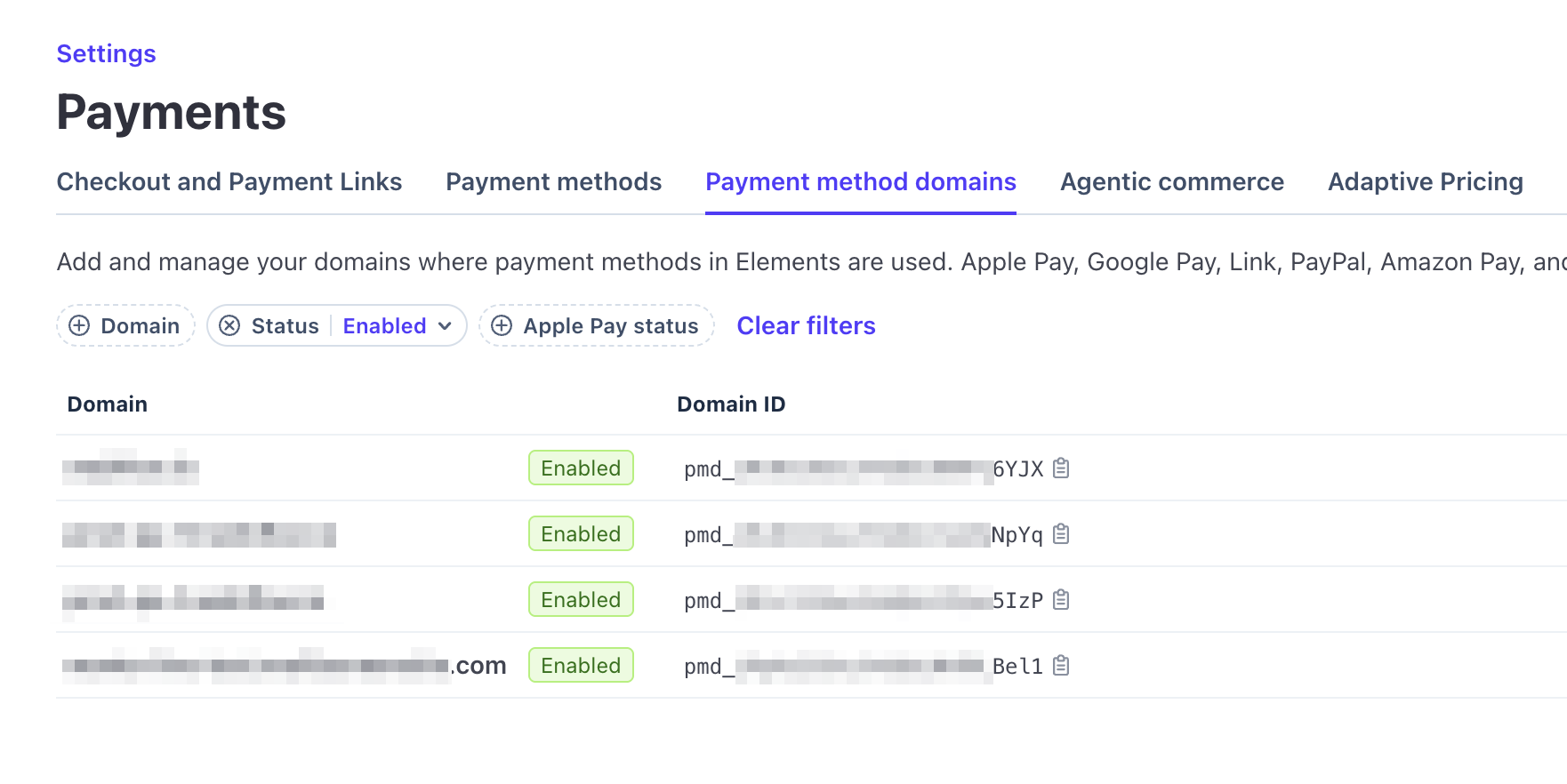
To check which domains are enabled in your Stripe account, go to Settings. Under the “Product settings” click on Payments. Then click on the Payment Method Domains tab.
Ensure that all your live store domains are set to “enabled”.
If you have connected Stripe but want to disable Apple Pay, you can do this 2 ways (either works):
Remove the Apple Pay tab from your Checkout page
Disable the toggle for Apple Pay in the Payment Gateway settings